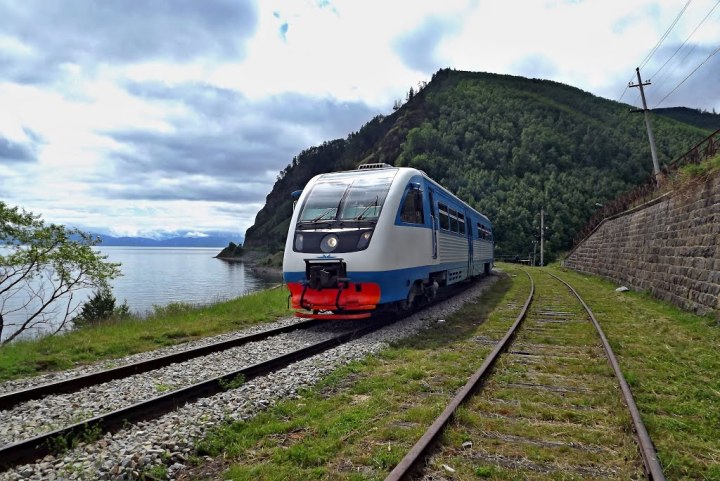
Circum-Baikal Railway tour. Spend a day in a comfortable train moving along Lake Baikal shore by the Old railroad through numerous tunnels and bridges built during Tsarist Russia in 1902-1904 and enjoying stunning landscapes and views.
On the Baikal Helicopter tour, you will see the unforgettable Baikal landscapes and the Circum-Baikal railway from a bird’s-eye view.
Take a tour by hovercraft and enjoy winter views of the Circum-Baikal Railway from its warm and comfortable cabin.
Whatever route of the Full-day snowmobile tour you choose, either through taiga or over the frozen surface of the lake, make sure you’ve got your camera with you because the views are breathtaking!
Book the Dogsled Tour along the Circum-Baikal Railway and enjoy working with powerful Baikal huskies, the beauty of the Baikal’s winter nature and the architectural monuments of the Circum-Baikal Railway.
Walk through the old tunnels and visit the most significant structures of the famous Railway with the Baikal Railway Walking Tour.
The Circum-Baikal Railway is the main man-made landmark on Lake Baikal — a unique feat of architecture and engineering, and a section of the Trans-Siberian Railway that ranks among the most beautiful places in the Baikal region.
Russian, Italian, Lithuanian, Polish, and Albanian engineers built the longest and most eye-catching section of Russian railroad between 1896 and 1900. In just two years and three months, they constructed 39 tunnels, 16 stone galleries, 248 bridges, and numerous viaducts.
The railroad runs along the western shore of Lake Baikal, from the bank of the Angara River to Mysovaya station. Today, the Circum-Baikal Railway consists of the section from Slyudyanka-2 to Baikal station, with 4 stations, 1 passing place, 38 tunnels, and 16 stone galleries. The 84-kilometer stretch from Baikal station to Kultuk station is protected as an architectural monument.
The longest tunnel, through Cape Polovinny, runs 777.5 meters. Along the way you’ll pass along the lakeshore with sweeping Baikal views and plenty of photo opportunities.
You can visit the Circum-Baikal Railway at any time of year:
• Summer/Autumn — the classic train tour, with stops for walking and photos.
• Winter — travel by amphibious air-cushion boat “Khivus”, dog sled, or snowmobile.
Any season — walk the old tunnels on the Baikal Railway Walking Tour, or see it all from above on the helicopter tour.
Schedule of the Circum-Baikal Railway tour.
5. Km 102 – Italian retaining wall.Designed by architect Ferrari, this is one of the most beautiful stretches. Next to it stands the Bolshaya Shumikhinskaya stone gallery, built to shield the track from rockfalls – a massive stone structure that seems to grow out of the cliff.
And don’t forget Slyudyanka station (where the “Motanya” starts) – its building is made entirely of white marble, the only station in the world built that way!
Wildlife – Not Just the Baikal Seal
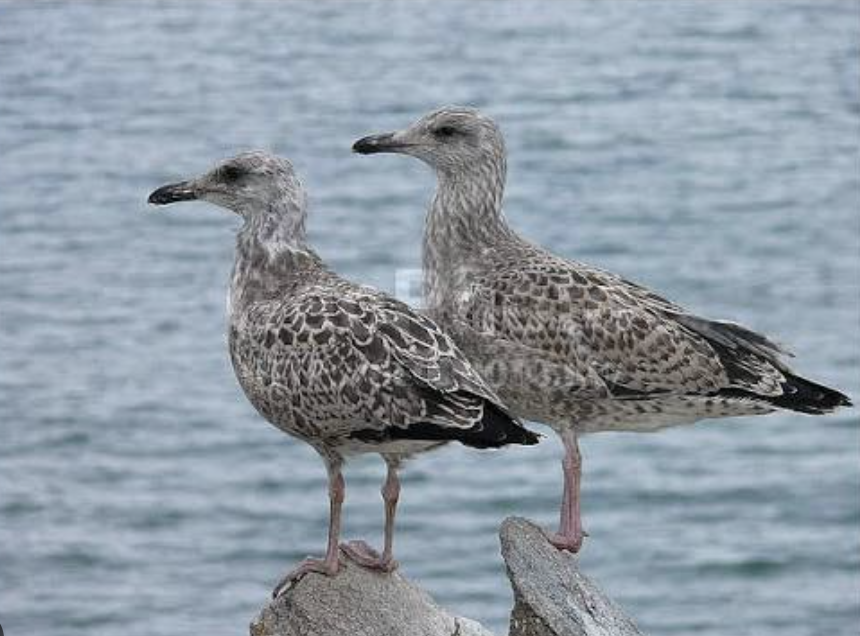
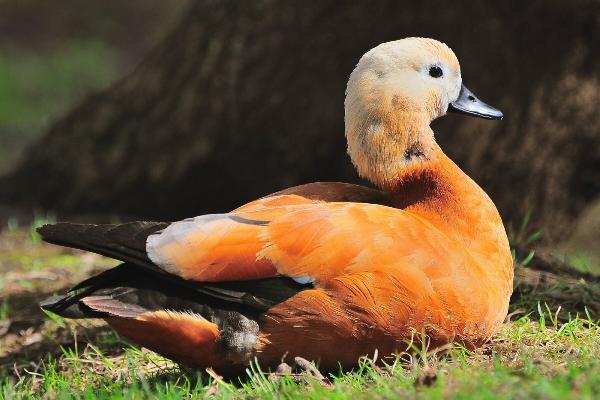
The Baikal seal (nerpa) isn’t the only animal you might spot along the CBR. Travellers also report:
Beyond the famous landmarks, the CBR hides true gems that almost no guidebooks mention.
The Mysterious Arch at Km 96
This abandoned stone structure has 11 arches (the famous “Italian Wall” has only 8). It was built in 1905 under Italian engineer L. Fracarolli but was never actually used. Now overgrown with trees and bushes, it still catches the eye of observant travellers. Location: Km 96 of the CBR, visible from the railway tracks.
The Abandoned Soviet Power Station at Km 145
In the 1930s, several power stations were built along the CBR to supply electricity to tunnels and housing. One of them, on the Khabartuy stream, still stands in ruins today.
What makes it unique: on the front wall, there’s a hole in the shape of a five pointed star with the date “1935” below it. The ruins look incredibly atmospheric and add a touch of romantic decay to the landscape.
A few things to know before booking:
What to bring: warm, layered clothing even in summer (it can be windy and cool near the lake), comfortable walking shoes for the stops, a camera, and sunscreen/sunglasses in the warmer months.
If you’d rather explore independently with overnight stops (hotels or camping), take the suburban train “Irkutsk Pass – Slyudyanka,” then transfer in Slyudyanka to suburban train N6201/6202 “Motanya.” Tickets are sold at the station or on board and cost up to 200 rubles — making it the cheapest way to travel the Circum-Baikal Railway. It’s not a tourist train but public transport: stops aren’t announced, so follow signage. It runs to Port Baikal and back four times a week, covering 73 km in about five hours.
Key stops:
• 156 km Kultuk (Rus: Култук)
• 138 km Sharyzhalgai (Rus: Шарыжалгай)
• 119 km Maritui (Rus: Маритуй)
• 102 km Shumikha (Rus: Шумиха)
• 98 km Ulanovo (Rus: Уланово)
• 72 km Port Baikal (Rus: Порт Байкал)
From Port Baikal, you can arrange a boat transfer to Listvyanka (check the ferry schedule) or take a minibus back to Irkutsk.
Check the “Motanya” train schedule
1. The CBR was called the “Golden Buckle of Russia’s Steel Belt” because of its staggering cost.
2. Over just 89 km, there are 39 tunnels, 16 stone galleries, 280 retaining walls, and about 470 bridges and culverts – a record density of engineering structures.
3. Built between 1896–1904 by Russian, Italian, Lithuanian, Polish, and Albanian engineers – a truly international crew.
4. The longest tunnel (777.5 m) is Cape Polovinny – so straight you can see the light at the other end from the entrance.
5. The original Kirkirey tunnel was only 75 m long, but landslides forced a new 635 m tunnel (18 bis) to be built in 1911–1913. The old one still exists – you can spot it on foot.
6. The only steel arch bridge on the line was built in 1905 and still stands strong.
7. Slyudyanka station is the only marble built station in the world.
8. Keep an eye on the water – you might spot the Baikal seal (nerpa), the only freshwater seal species on Earth, popping up near the shore.
9. Despite the name, the CBR is not a full circle – it’s just an 84 km section, not looping the entire lake.
10. In winter, conductors on the “Motanya” sometimes share hot tea from their own thermos – a local tradition of hospitality.
11. Along the route you can still see abandoned stone bridges from 1904 and old construction adits (side tunnels) used during building – peek through the trees.
Check out the full list of the most interesting tours in Russian cities.
The form was sent successfully. We will contact you shortly.